AAWSAP DIRD, State of the Art and Evolution of High-Energy Lasers, March 2010
DOW-UAP-D137 · page 19 of 31
Text
This text came with the file. It may have mistakes. When the text and the image disagree, the image is right.
UNCLASSIFIED/fFOA: OFFI€1.t.k YSE &P•tv
- • - ·0 sensor
-·
-· -·
sensor
_ . -
•
\ 0 error
.-.
............................................
Tracker
Stabilization
Electronics
• 0
0target
Gimbal
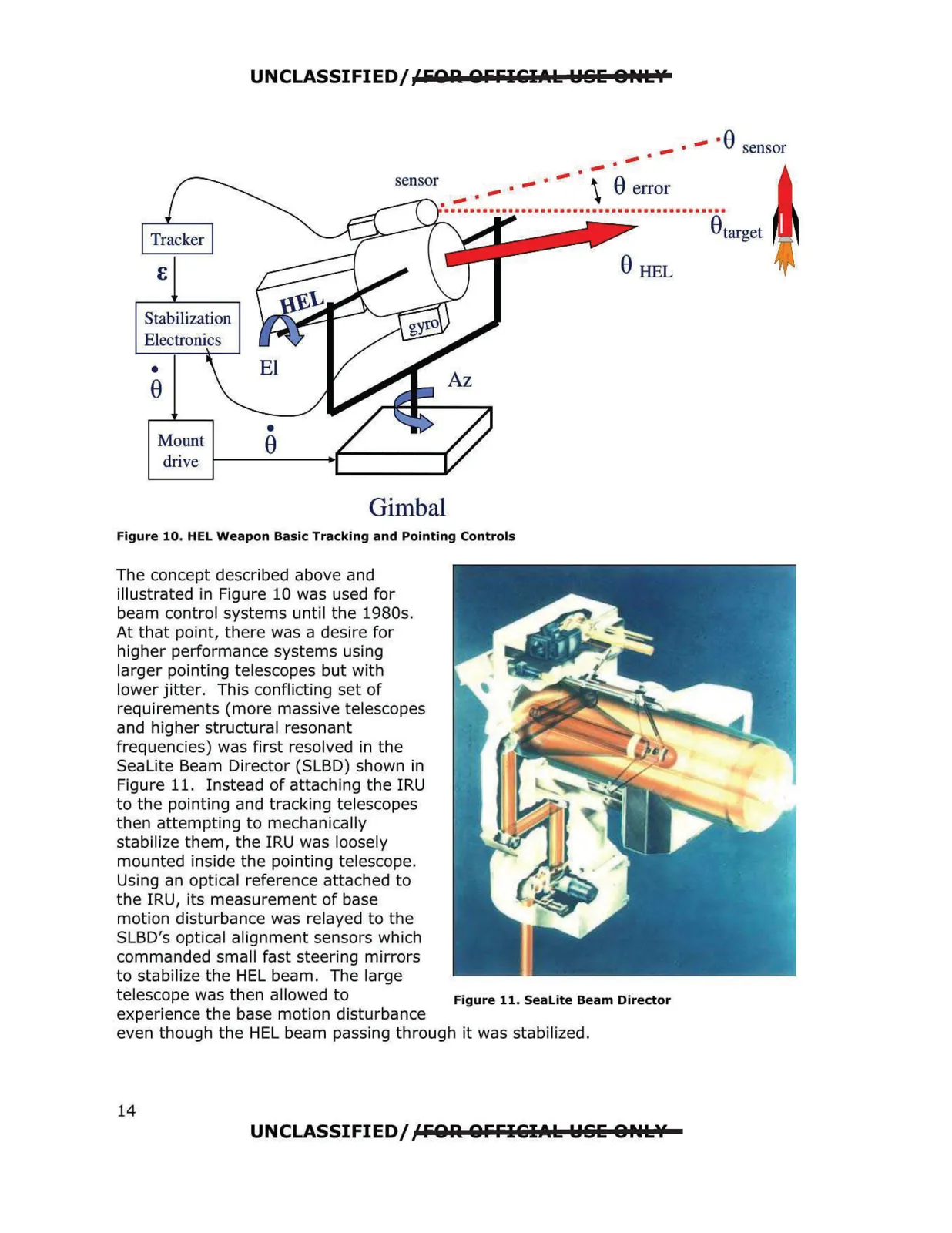
Figure 10. HEL Weapon Basic Tracking and Pointing Controls
The concept described above and
illustrated in Figure 10 was used for
beam control systems until the 1980s.
At that point, there was a desire for
higher performance systems using
larger pointing telescopes but with
lower jitter. This conflicting set of
requirements (more massive telescopes
and higher structural resonant
frequencies) was first resolved in the
Sealite Beam Director (SLBD) shown in
Figure 11. Instead of attaching the IRU
to the pointing and tracking telescopes
then attempting to mechanically
stabilize them, the I RU was loosely
mounted inside the pointing telescope.
Using an optical reference attached to
the IRU, its measurement of base
motion disturbance was relayed to the
SLBD's optical alignment sensors which
commanded small fast steering mirrors
to stabilize the HEL beam. The large
telescope was then allowed to
Figure 11. Sealite Beam Director
experience the base motion disturbance
even though the HEL beam passing through it was stabilized .
UNCLASSIFIED/fFOA OFFI€l.t.k YSE 8,.L\f
14