AAWSAP DIRD, State of the Art and Evolution of High-Energy Lasers, March 2010
DOW-UAP-D137 · page 27 of 31
Text
This text came with the file. It may have mistakes. When the text and the image disagree, the image is right.
UNCLASSIFIED/fFOA OFFl&I.t.k YSE &P•tv
3
10
.._ Visible
0
• Near IR
"'
,-.. 10
s
~
r,i
QI
"3
0
'-'
"""'
QJ
500- 700 nm
1.05 µm to 1.15
1.2 µm to 1.4
400-450 nm
-3
I,..
.
I
r,i= 10
•••• .,
0
A
e, I
.
'i
~
QI
400-700 nm
. .
t
-6
•
=
I,..
0
10
.: ...
...
u
A
-15
-12
·9
-6
-3
0
3
10
10
10
10
10
10
10
Time (seconds)
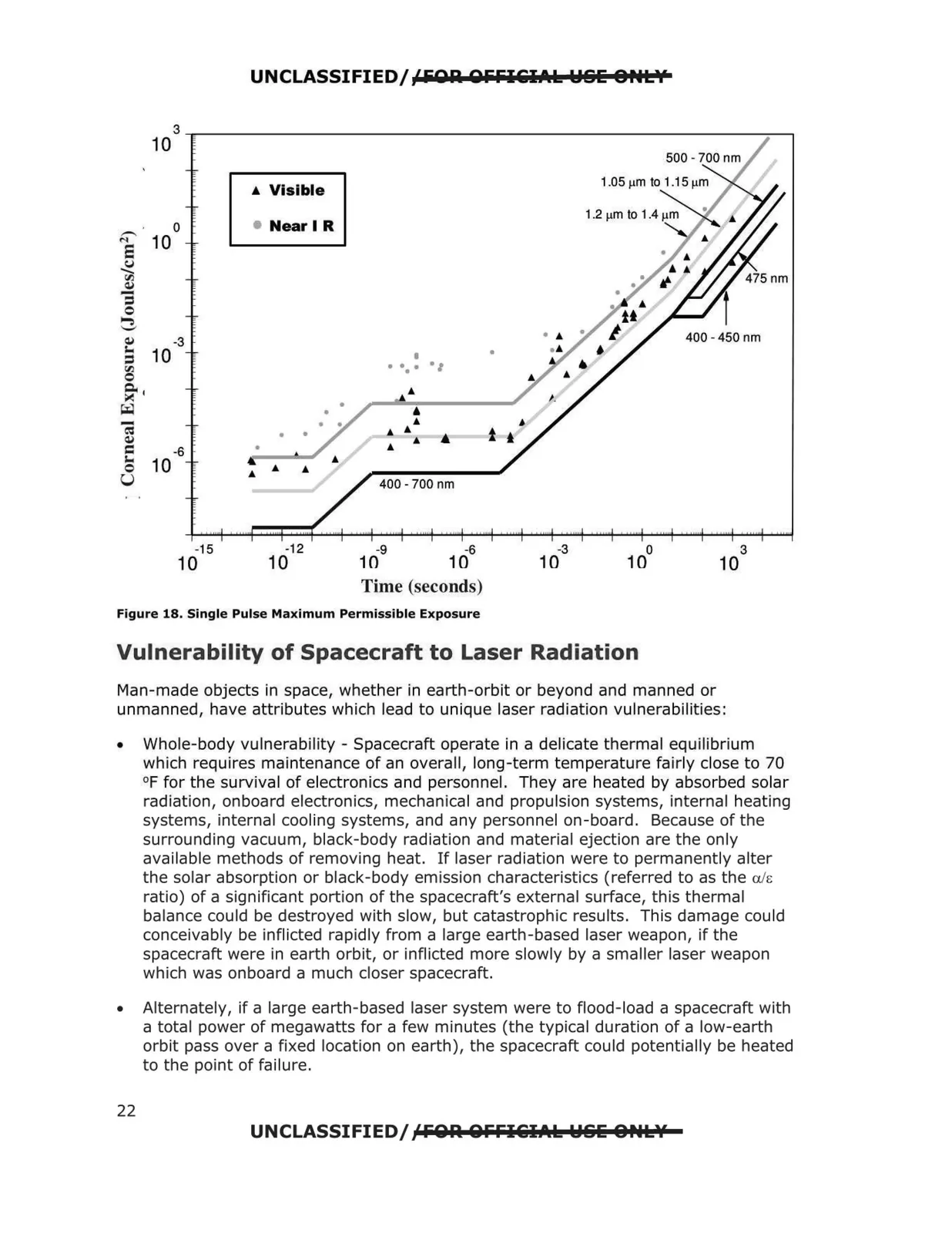
Figure 18. Single Pulse Maximum Permissible Exposure
Vulnerability of Spacecraft to Laser Radiation
Man-made objects in space, whether in earth-orbit or beyond and manned or
unmanned, have attributes which lead to unique laser radiation vulnerabilities:
•
Whole-body vulnerability - Spacecraft operate in a delicate thermal equilibrium
which requires maintenance of an overall, long-term temperature fairly close to 70
°F for the survival of electronics and personnel. They are heated by absorbed solar
radiation, onboard electronics, mechanical and propulsion systems, internal heating
systems, internal cooling systems, and any personnel on-board. Because of the
surrounding vacuum, black-body radiation and material ejection are the only
available methods of removing heat. If laser radiation were to permanently alter
the solar absorption or black-body emission characteristics (referred to as the aif.
ratio) of a significant portion of the spacecraft's external surface, this thermal
balance could be destroyed with slow, but catastrophic results. This damage could
conceivably be inflicted rapidly from a large earth-based laser weapon, if the
spacecraft were in earth orbit, or inflicted more slowly by a smaller laser weapon
which was onboard a much closer spacecraft.
•
Alternately, if a large earth-based laser system were to flood -load a spacecraft with
a total power of megawatts for a few minutes (the typical duration of a low-earth
orbit pass over a fixed location on earth), the spacecraft could potentially be heated
to the point of failure.
UNCLASSIFIED/fFOA OFFI&I.t.k YSE 8,.L\f
22