AAWSAP DIRD, Laser Lightcraft Nanosatellites, November 2010
DOW-UAP-D143 · page 54 of 77
Text
This text came with the file. It may have mistakes. When the text and the image disagree, the image is right.
UNCLASSIFIED/,'rOR: orrlCIAL USE 014Lf
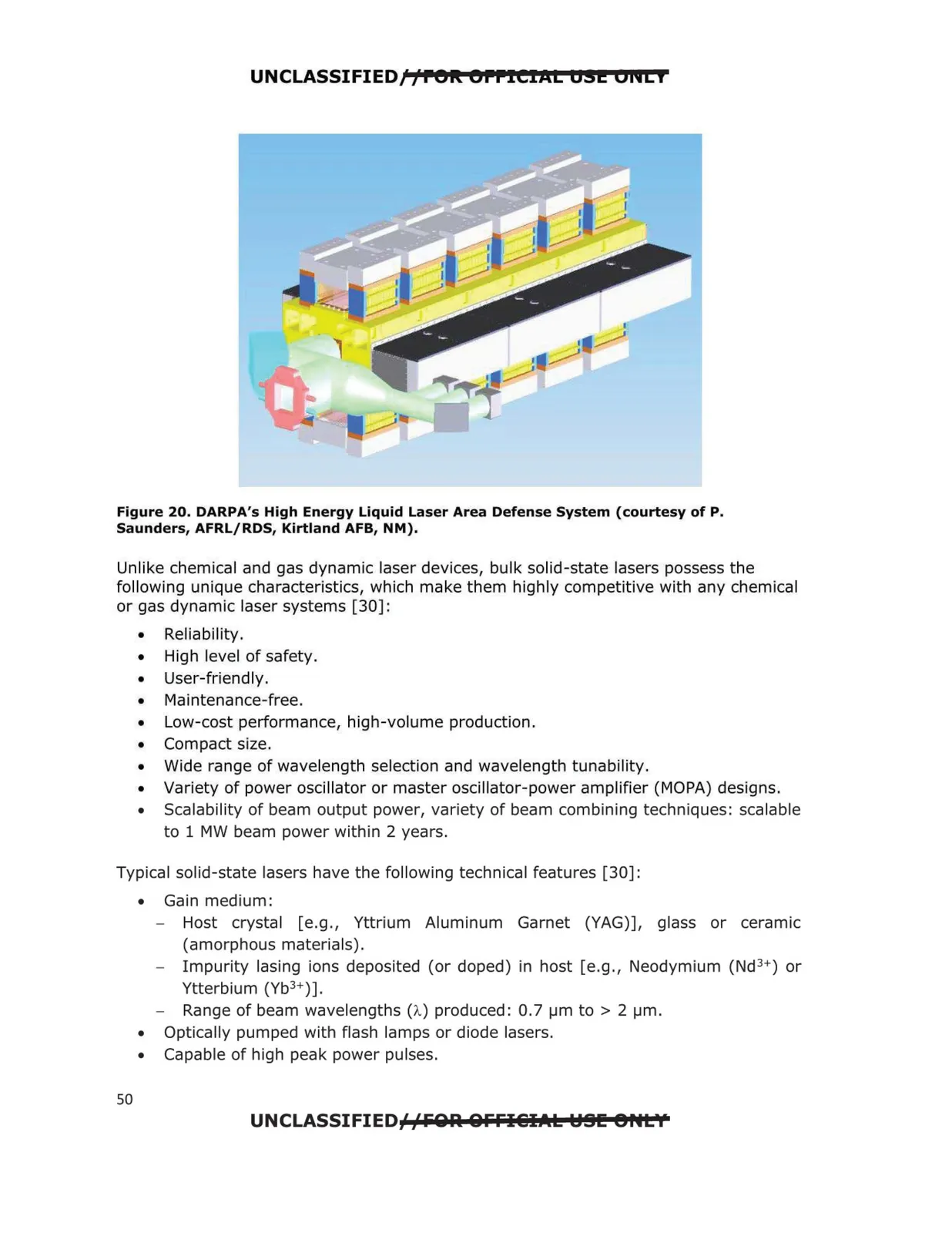
Figure 20. DARPA's High Energy Liquid Laser Area Defense System (courtesy of P.
Saunders, AFRL/RDS, Kirtland AFB, NM).
Unlike chemical and gas dynamic laser devices, bulk solid-state lasers possess the
following unique characteristics, which make them highly competitive with any chemical
or gas dynamic laser systems [30]:
•
Reliability.
•
High level of safety.
•
User-friendly.
•
Maintenance-free.
•
Low-cost performance, high-volume production.
•
Compact size.
•
Wide range of wavelength selection and wavelength tunability.
•
Variety of power oscillator or master oscillator-power amplifier (MOPA) designs.
•
Scalability of beam output power, variety of beam combining techniques: scalable
to 1 MW beam power within 2 years.
Typical solid-state lasers have the following technical features [30):
•
Gain medium:
Host crystal [e.g., Yttrium Aluminum Garnet (YAG)], glass or ceramic
(amorphous materials).
-
Impurity lasing ions deposited (or doped) in host [e.g., Neodymium (Nd 3+) or
Ytterbium (Yb3+)].
-
Range of beam wavelengths (11.) produced: 0. 7 µm to > 2 µm.
•
Optically pumped with flash lamps or diode lasers.
•
Capable of high peak power pulses.
so
UNCLASSIFIED,<,<FOA QFFISIAL HSI!! 8HLY