AAWSAP DIRD, Detection and High-Resolution Tracking of Vehicles at Hypersonic Velocities, November 2010
DOW-UAP-D148 · page 30 of 46
Text
This text came with the file. It may have mistakes. When the text and the image disagree, the image is right.
UNCLASSIFIED/fFOR. QFFIEl.t.L: Uii QD:I! X
Mach Cone
H
~ = arcsin(l/M) = Mach Angle
Bow Shock
Acoustic
Detector
D
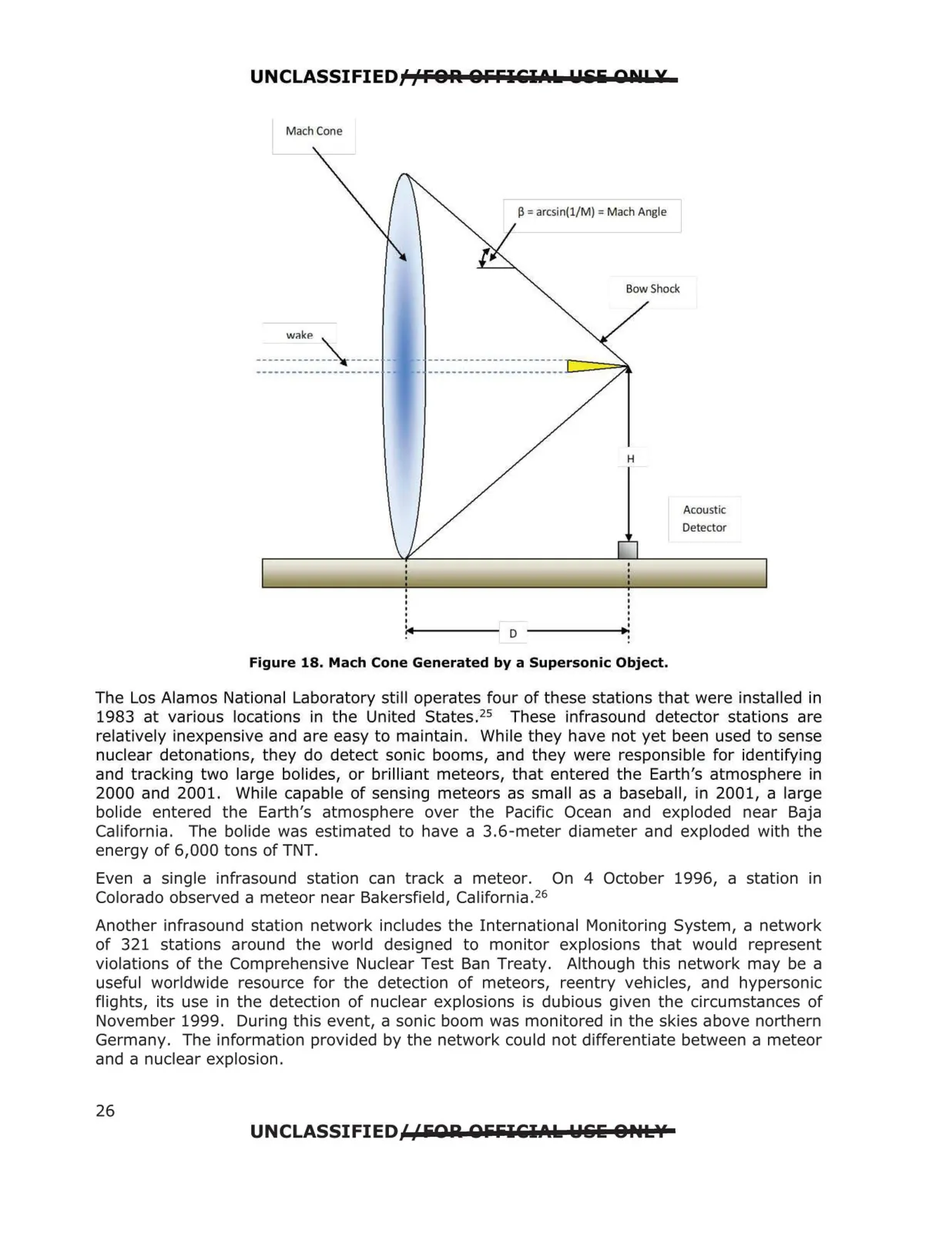
Figure 18. Mach Cone Generated by a Supersonic Object.
The Los Alamos National Laboratory still operates four of these stations that were installed in
1983 at various locations in the United States. 25
These infrasound detector stations are
relatively inexpensive and are easy to maintain. While they have not yet been used to sense
nuclear detonations, they do detect sonic booms, and they were responsible for identifying
and tracking two large bolides, or brilliant meteors, that entered the Earth's atmosphere in
2000 and 2001. While capable of sensing meteors as small as a baseball, in 2001, a large
bolide entered the Earth's atmosphere over the Pacific Ocean and exploded near Baja
California. The bolide was estimated to have a 3.6-meter diameter and exploded with the
energy of 6,000 tons of TNT.
Even a single infrasound station can track a meteor.
On 4 October 1996, a station in
Colorado observed a meteor near Bakersfield, California. 26
Another infrasound station network includes the I nternational Monitoring System, a network
of 321 stations around the world designed to monitor explosions that would represent
violations of the Comprehensive Nuclear Test Ban Treaty. Although this network may be a
useful worldwide resource for the detection of meteors, reentry vehicles, and hypersonic
flights, its use in the detection of nuclear explosions is dubious given the circumstances of
November 1999. During this event, a sonic boom was monitored in the skies above northern
Germany. The information provided by the network could not differentiate between a meteor
and a nuclear explosion.
UNCLASSIFIED//EQA: QlililEl.t.L: W&&: O,.L'l
26