AAWSAP DIRD, Space Access: Where We’ve Been and Where We Could Go, March 2010
DOW-UAP-D124 · page 47 of 56
Text
This text came with the file. It may have mistakes. When the text and the image disagree, the image is right.
UNCLASSIFIED//FOR OFFI€i1Ak W&li 0PU,¥
Wasla Sloraga and
Processing Orbits
.
Space Bas
Commu111Cat10ns
Warning
Satellite
Constellations ~
LE
Where is our railroad to space
Where are the round trips
Growth of the Spaceways Routes
From Dr. William Gaubatz
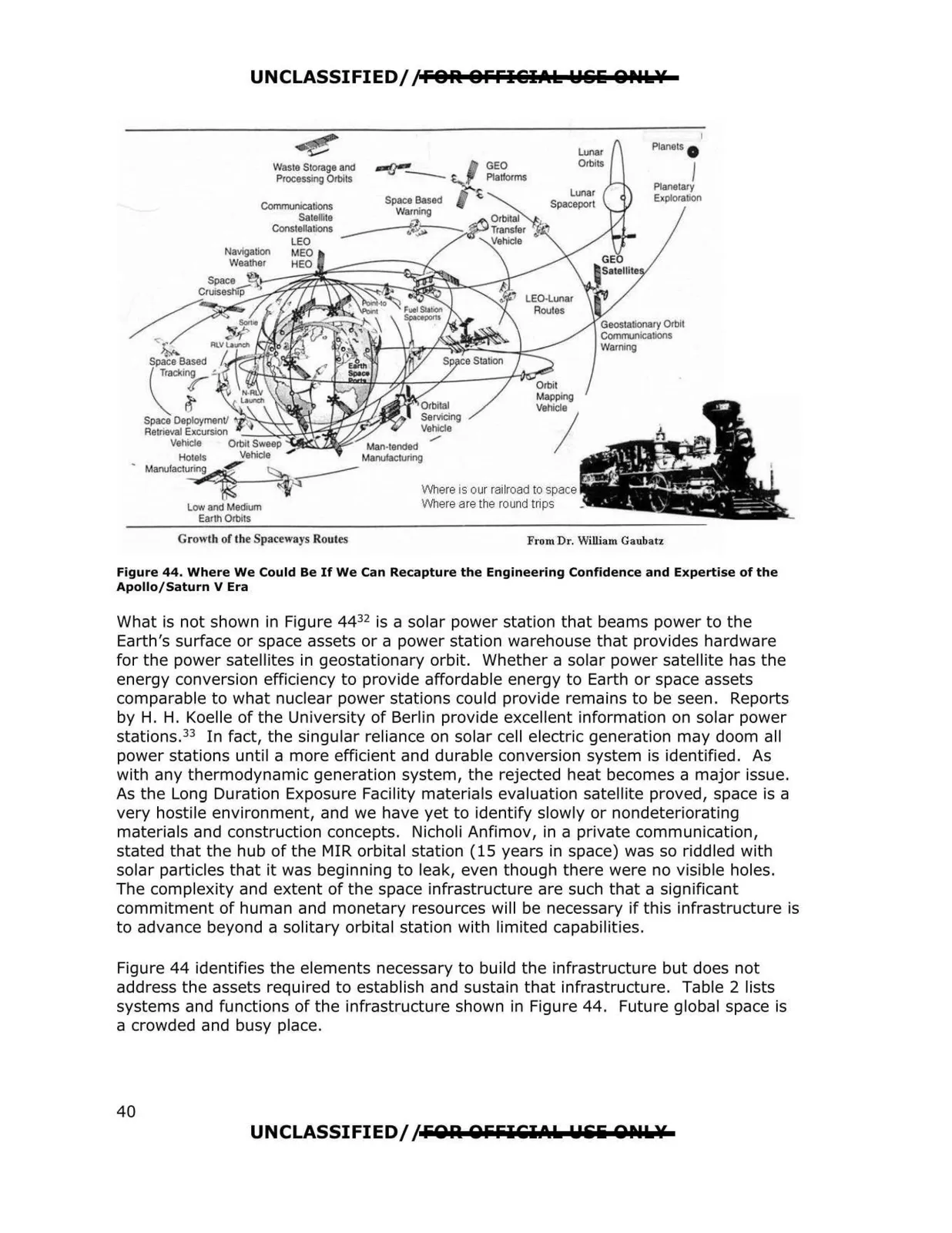
Figure 44. Where We Could Be If We Can Recapture the Engineering Confidence and Expertise of the
Apollo/Saturn V Era
What is not shown in Figure 4432 is a solar power station that beams power to the
Earth's surface or space assets or a power station warehouse that provides hardware
for the power satellites in geostationary orbit. Whether a solar power satellite has the
energy conversion efficiency to provide affordable energy to Earth or space assets
comparable to what nuclear power stations could provide remains to be seen. Reports
by H. H. Koelle of the University of Berlin provide excellent information on solar power
stations.33 In fact, the singular reliance on solar cell electric generation may doom all
power stations until a more efficient and durable conversion system is identified. As
with any thermodynamic generation system, the rejected heat becomes a major issue.
As the Long Duration Exposure Facility materials evaluation satellite proved, space is a
very hostile environment, and we have yet to identify slowly or nondeteriorating
materials and construction concepts. Nicholi Anfimov, in a private communication,
stated that the hub of the MIR orbital station (15 years in space) was so riddled with
solar particles that it was beginning to leak, even though there were no visible holes.
The complexity and extent of the space infrastructure are such that a significant
commitment of human and monetary resources will be necessary if this infrastructure is
to advance beyond a solitary orbital station with limited capabilities.
Figure 44 identifies the elements necessary to build the infrastructure but does not
address the assets required to establish and sustain that infrastructure. Table 2 lists
systems and functions of the infrastructure shown in Figure 44. Future global space is
a crowded and busy place.
UNCLASSIFIED//FOA OFFICiIAk Uili 0Plk¥
40