AAWSAP DIRD, Advanced Nuclear Propulsion for Manned Deep Space Missions, March 2010
DOW-UAP-D126 · page 28 of 37
Text
This text came with the file. It may have mistakes. When the text and the image disagree, the image is right.
UNCLASSIFIED//FOR 8FFl@IAL l!ISI! er~t a
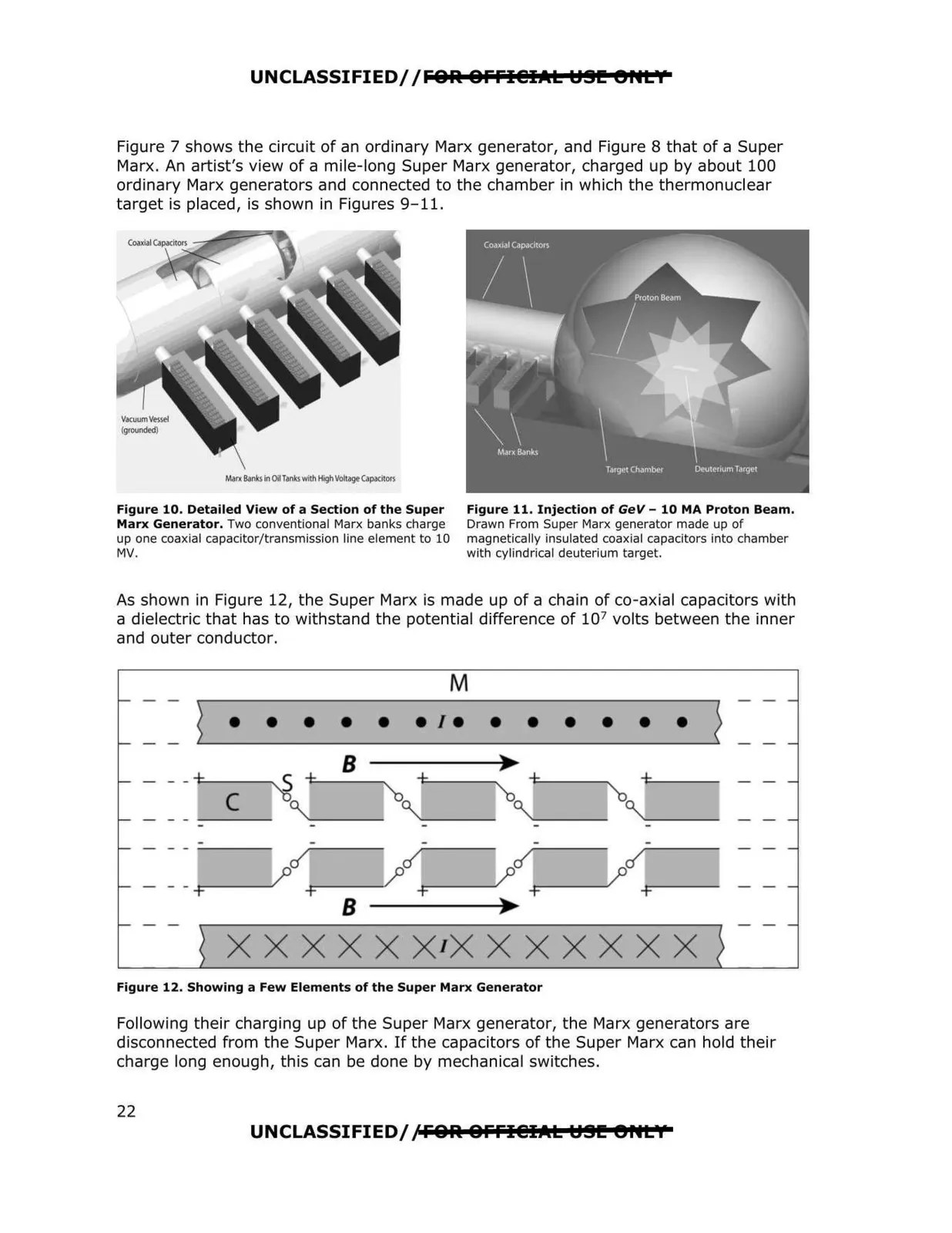
Figure 7 shows the circuit of an ordinary Marx generator, and Figure 8 that of a Super
Marx. An artist's view of a mile-long Super Marx generator, charged up by about 100
ordinary Marx generators and connected to the chamber in which the thermonuclear
target is placed, is shown in Figures 9-11.
Marx Banks InOff lanl<s with HighVoltoge C.podtim
Figure 10. Detailed View of a Section of the Super
Marx Generator. Two conventional Marx banks charge
up one coaxial capacitor/transmission line element to 10
MV.
As shown in Figure 12, the Super Marx is made up of a chain of co-axial capacitors with
a dielectric that has to withstand the potential difference of 107 volts between the inner
and outer conductor.
Figure 11. Injection of GeV - 10 MA Proton Beam.
Drawn From Super Marx generator made up of
magnetically insulated coaxial capacitors into chamber
with cylindrical deuterium target.
~ • • • • • • ,.
M
• • • • • • ~
8
►
- -+
s +
\, +
\, t
C
\5°"
\,°"
°"
°"
-
JJif
/Jell
JJif
JJd
- -+
+
+
+
+
8
►
X X X X X xix X X X X X X
Figure 12. Showing a Few Elements of the Super Marx Generator
Following their charging up of the Super Marx generator, the Marx generators are
disconnected from the Super Marx. If the capacitors of the Super Marx can hold their
charge long enough, this can be done by mechanical switches.
UNCLASSIFIED/,<FOR 8FFl@IAL l!ISI! er~t I
22