AAWSAP DIRD, Biosensors and BioMEMS: A Survey of the Present Field, March 2010
DOW-UAP-D136 · page 24 of 45
Text
This text came with the file. It may have mistakes. When the text and the image disagree, the image is right.
UNCLASSIFIED//P'OR: OP'P'l@IAL WS& 0Nk¥
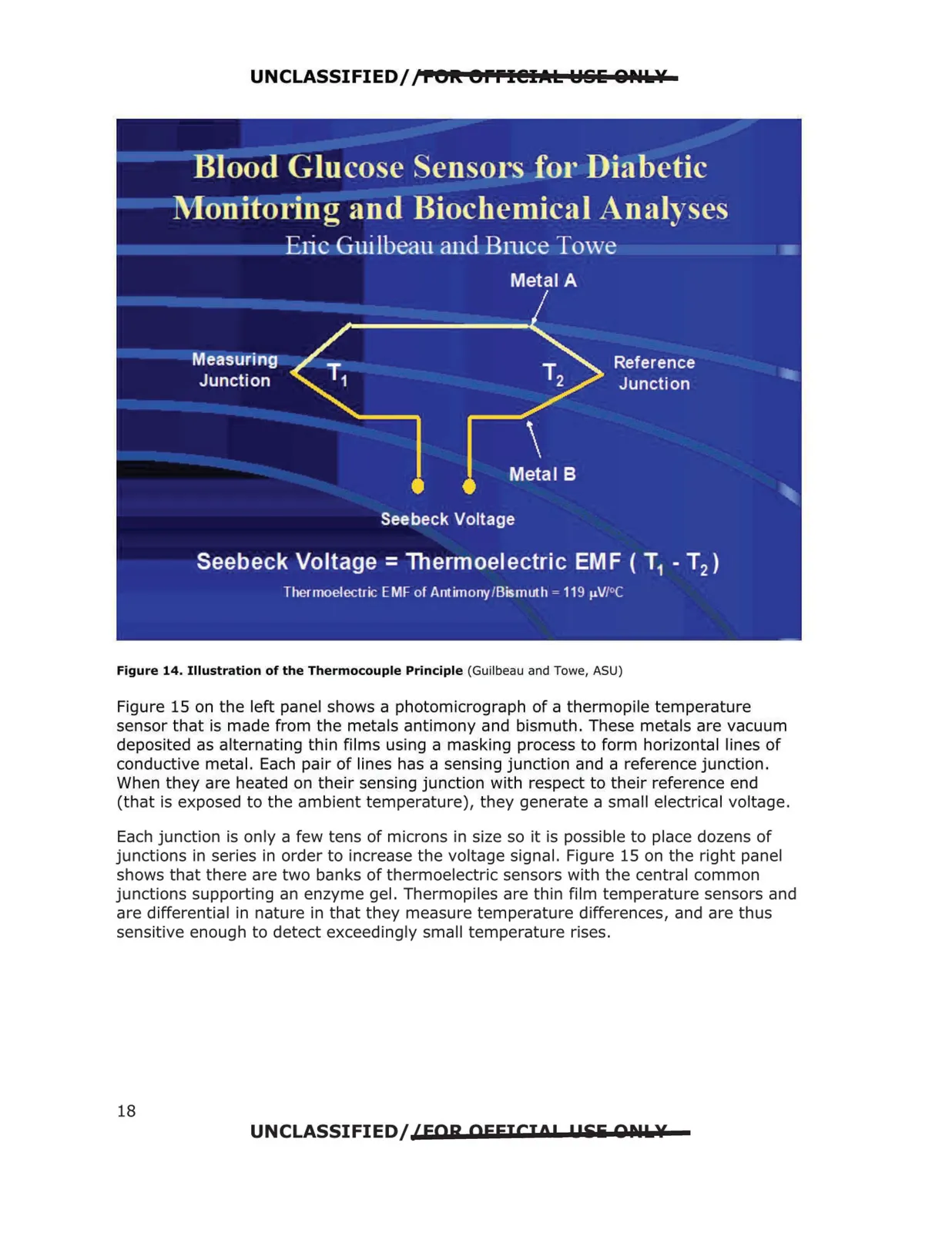
Figure 14. Illustration of the Thermocouple Principle (Guilbeau and Towe, ASU)
Figure 15 on the left panel shows a photomicrograph of a thermopile temperature
sensor that is made from the metals antimony and bismuth. These metals are vacuum
deposited as alternating thin films using a masking process to form horizontal lines of
conductive metal. Each pair of lines has a sensing junction and a reference junction.
When they are heated on their sensing junction with respect to their reference end
(that is exposed to the ambient temperature), they generate a small electrical voltage.
Each junction is only a few tens of microns in size so it is possible to place dozens of
junctions in series in order to increase the voltage signal. Figure 15 on the right panel
shows that there are two banks of thermoelectric sensors with the central common
junctions supporting an enzyme gel. Thermopiles are thin film temperature sensors and
are differential in nature in that they measure temperature differences, and are thus
sensitive enough to detect exceedingly small temperature rises.
UNCLASSIFIED/ {FOR OFFICIO! !PEii QDlk¥
18