AAWSAP DIRD, Biosensors and BioMEMS: A Survey of the Present Field, March 2010
DOW-UAP-D136 · page 23 of 45
Text
This text came with the file. It may have mistakes. When the text and the image disagree, the image is right.
UNCLASSIFIED//P'OR: OP'P'l@IAL WS& 0Nk¥
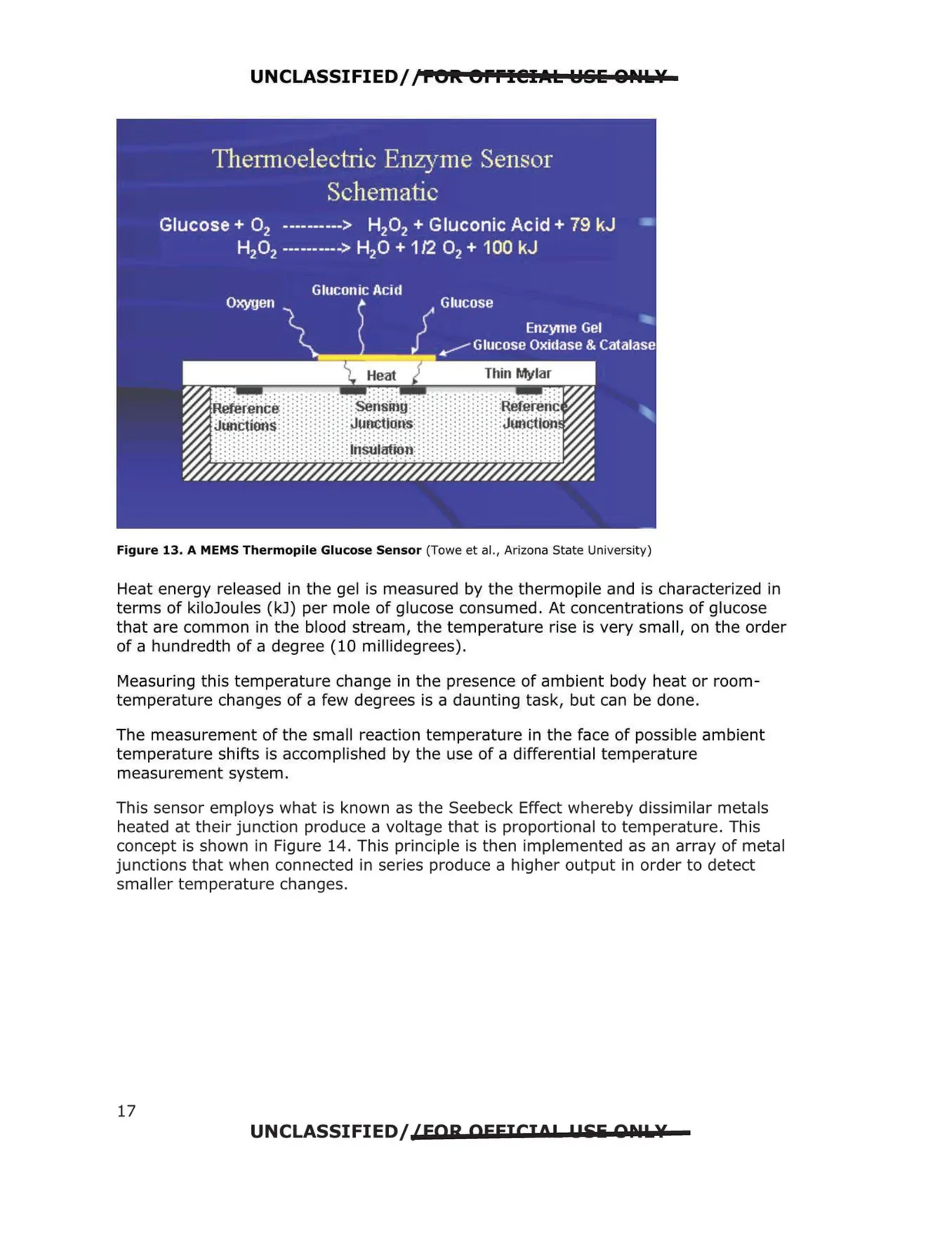
Figure 13. A MEMS Thermopile Glucose Sensor (Towe et al., Arizona State University)
Heat energy released in the gel is measured by the thermopile and is characterized in
terms of kiloJoules (kJ) per mole of glucose consumed. At concentrations of glucose
that are common in the blood stream, the temperature rise is very small, on the order
of a hundredth of a degree (10 millidegrees).
Measuring this temperature change in the presence of ambient body heat or room
temperature changes of a few degrees is a daunting task, but can be done.
The measurement of the small reaction temperature in the face of possible ambient
temperature shifts is accomplished by the use of a differential temperature
measurement system.
This sensor employs what is known as the Seebeck Effect whereby dissimilar metals
heated at their junction produce a voltage that is proportional to temperature. This
concept is shown in Figure 14. This principle is then implemented as an array of metal
junctions that when connected in series produce a higher output in order to detect
smaller temperature changes.
UNCLASSIFIED/ {FOR OFFICIO! !PEii QDlk¥
17