AAWSAP DIRD, State of the Art and Evolution of High-Energy Lasers, March 2010
DOW-UAP-D137 · page 25 of 31
Text
This text came with the file. It may have mistakes. When the text and the image disagree, the image is right.
UNCLASSIFIED/fFOA OFFl&I.t.k YSE &P•tv
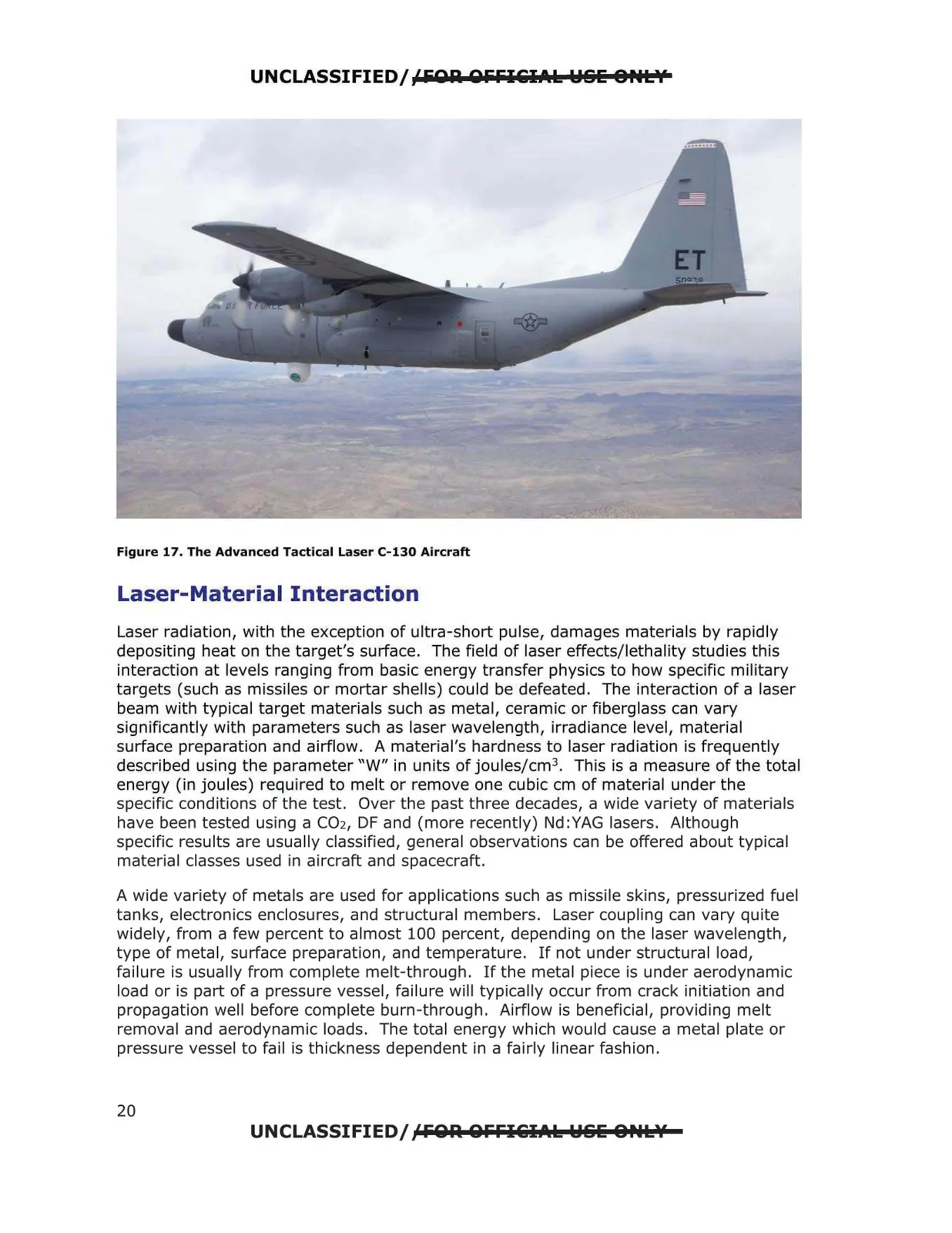
Figure 17. The Advanced Tactical Laser C-130 Aircraft
Laser-Material Interaction
Laser radiation, with the exception of ultra-short pulse, damages materials by rapidly
depositing heat on the target's surface. The field of laser effects/lethality studies this
interaction at levels ranging from basic energy transfer physics to how specific military
targets (such as missiles or mortar shells) could be defeated. The interaction of a laser
beam with typical target materials such as metal, ceramic or fiberglass can vary
significantly with parameters such as laser wavelength, irradiance level, material
surface preparation and airflow. A material's hardness to laser radiation is frequently
described using the parameter "W" in units of joules/cm 3. This is a measure of the total
energy (in joules) required to melt or remove one cubic cm of material under the
specific conditions of the test. Over the past three decades, a wide variety of materials
have been tested using a CO2, DF and (more recently) Nd:YAG lasers. Although
specific results are usually classified, general observations can be offered about typical
material classes used in aircraft and spacecraft.
A wide variety of metals are used for applications such as missile skins, pressurized fuel
tanks, electronics enclosures, and structural members. Laser coupling can vary quite
widely, from a few percent to almost 100 percent, depending on the laser wavelength,
type of metal, surface preparation, and temperature. If not under structural load,
failure is usually from complete melt-through. If the metal piece is under aerodynamic
load or is part of a pressure vessel, failure will typically occur from crack initiation and
propagation well before complete burn-through. Airflow is beneficial, providing melt
removal and aerodynamic loads. The total energy which would cause a metal plate or
pressure vessel to fail is thickness dependent in a fairly linear fashion.
UNCLASSIFIED/fFOA OFFI&I.t.k YSE 8,.L\f
20