AAWSAP DIRD, Cockpits in the Era of Breakthrough Flight, November 2010
DOW-UAP-D144 · page 35 of 57
Text
This text came with the file. It may have mistakes. When the text and the image disagree, the image is right.
UNCLASSIFIED/ ,'FOR OFFI@IAL WSE QptLY
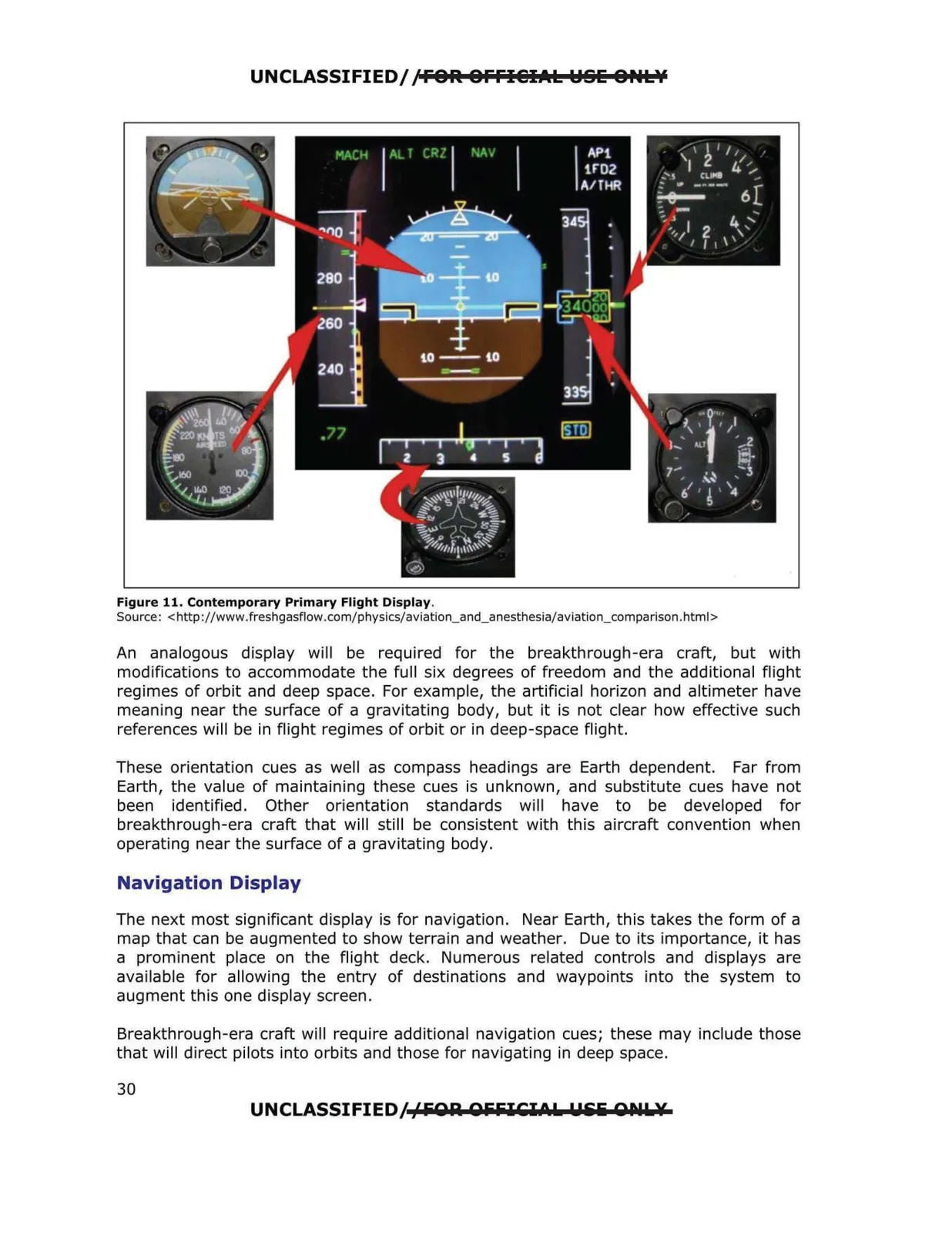
Figure 11. Contemporary Primary Flight Display.
Source: < http://www.freshgasflow.com/physics/aviation_and_anesthesia/aviation_comparison .html>
An analogous display will be required for the breakthrough-era craft, but with
modifications to accommodate the full six degrees of freedom and the additional flight
regimes of orbit and deep space. For example, the artificial horizon and altimeter have
meaning near the surface of a gravitating body, but it is not clear how effective such
references will be in flight regimes of orbit or in deep-space flight.
These orientation cues as well as compass headings are Earth dependent.
Far from
Earth, the value of maintaining these cues is unknown, and substitute cues have not
been
identified.
Other orientation
standards
will
have to
be
developed
for
breakthrough-era craft that will still be consistent with this aircraft convention when
operating near the surface of a gravitating body.
Navigation Display
The next most significant display is for navigation. Near Earth, this takes the form of a
map that can be augmented to show terrain and weather. Due to its importance, it has
a prominent place on the flight deck. Numerous related controls and displays are
available for allowing the entry of destinations and waypoints into the system to
augment this one display screen .
Breakthrough-era craft will require additional navigation cues; these may include those
that will direct pilots into orbits and those for navigating in deep space.
UNCLASSIFIED/fFOA: OFFICIO la Plili Oralla¥
30