AAWSAP DIRD, Aneutronic Fusion Propulsion II, November 2010
DOW-UAP-D146 · page 28 of 36
Text
This text came with the file. It may have mistakes. When the text and the image disagree, the image is right.
UNCLASSIFIED//FOR OFFICIAL USE ONLY
ESB\ R Ve el
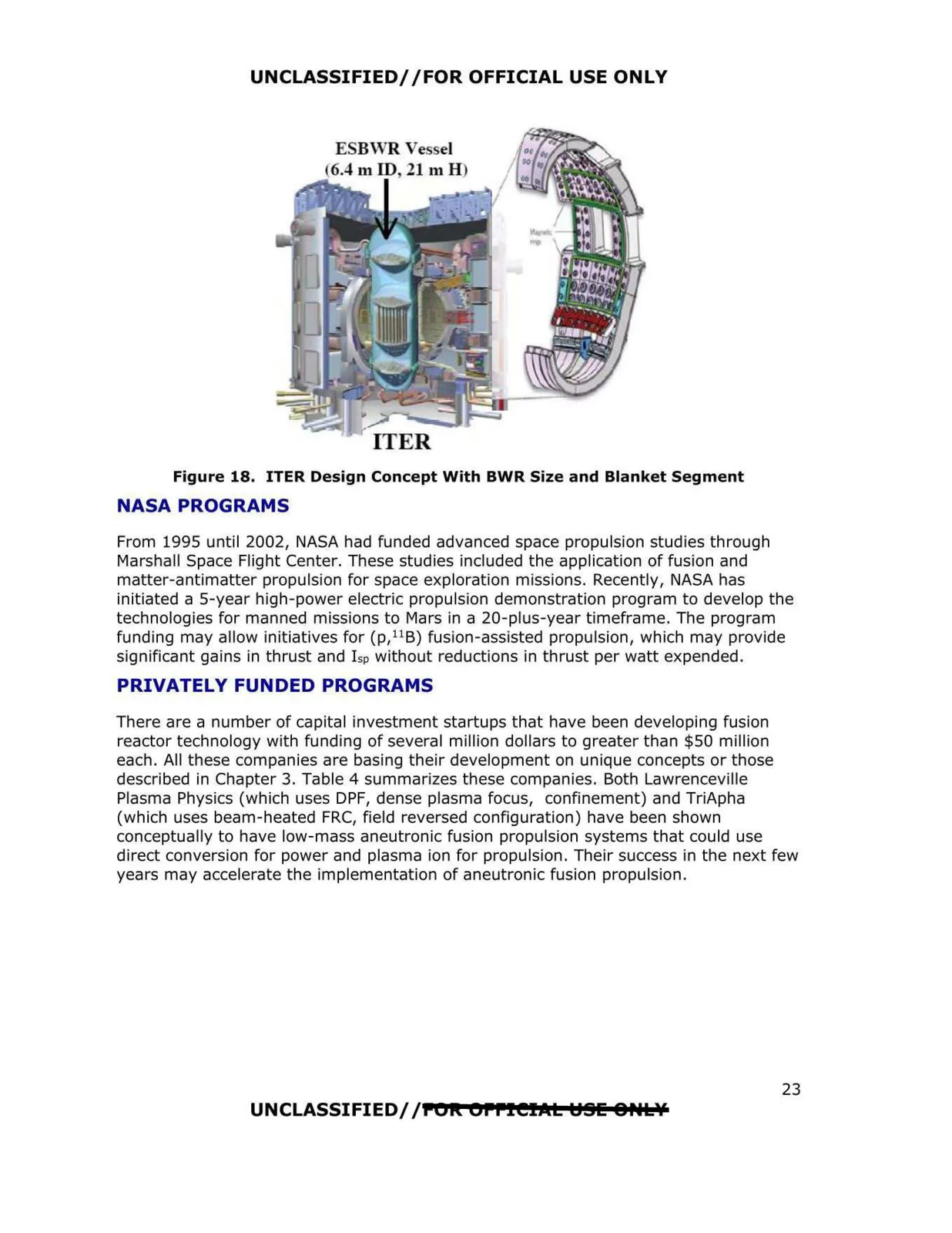
Figure 18. ITER Design Concept With BWR Size and Blanket Segment
NASA PROGRAMS
From 1995 until 2002, NASA had funded advanced space propulsion studies through
Marshall Space Flight Center. These studies included the application of fusion and
matter-antimatter propulsion for space exploration missions. Recently, NASA has
initiated a 5-year high-power electric propulsion demonstration program to develop the
technologies for manned missions to Mars in a 20-plus-year timeframe. The program
funding may allow initiatives for (p, 11B) fusion-assisted propulsion, which may provide
significant gains in thrust and Isp without reductions in thrust per watt expended.
PRIVATELY FUNDED PROGRAMS
There are a number of capital investment startups that have been developing fusion
reactor technology with funding of several million dollars to greater than $50 million
each. All these companies are basing their development on unique concepts or those
described in Chapter 3. Table 4 summarizes these companies. Both Lawrenceville
Plasma Physics (which uses DPF, dense plasma focus, confinement) and TriApha
(which uses beam-heated FRC, field reversed configuration) have been shown
conceptually to have low-mass aneutronic fusion propulsion systems that could use
direct conversion for power and plasma ion for propulsion. Their success in the next few
years may accelerate the implementation of aneutronic fusion propulsion.
UNCLASSIFIED//POI\ OPPIC!Jlct 1!181!! 8HLY
23