AAWSAP DIRD, Detection and High-Resolution Tracking of Vehicles at Hypersonic Velocities, November 2010
DOW-UAP-D148 · page 24 of 46
Text
This text came with the file. It may have mistakes. When the text and the image disagree, the image is right.
UNCLASSIFIED/fFOR. QFFIEl.t.L: Uii QD:I! X
M1 =5.0
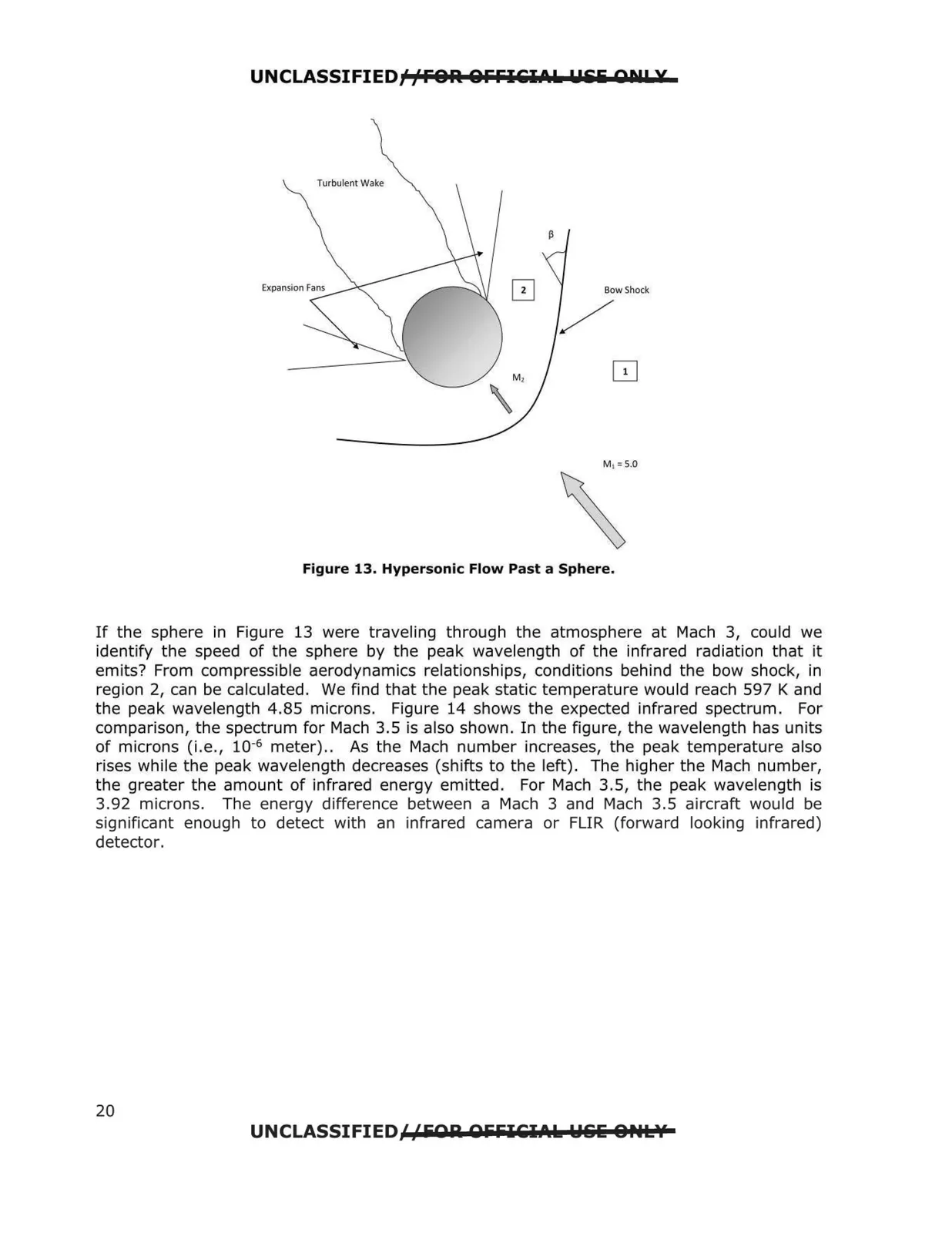
Figure 13. Hypersonic Flow Past a Sphere. '
If the sphere in Figure 13 were traveling through the atmosphere at Mach 3, could we
identify the speed of the sphere by the peak wavelength of the infrared radiation that it
emits? From compressible aerodynamics relationships, conditions behind the bow shock, in
region 2, can be calculated. We find that the peak static temperature would reach 597 K and
the peak wavelength 4.85 microns. Figure 14 shows the expected infrared spectrum. For
comparison, the spectrum for Mach 3.5 is also shown. In the figure, the wavelength has units
of microns (i.e., 10-6 meter) ..
As the Mach number increases, the peak temperature also
rises while the peak wavelength decreases (shifts to the left). The higher the Mach number,
the greater the amount of infrared energy emitted. For Mach 3.5, the peak wavelength is
3.92 microns.
The energy difference between a Mach 3 and Mach 3.5 aircraft would be
significant enough to detect with an infrared camera or FUR (forward looking infrared)
detector.
UNCLASSIFIED//EQA: QlililEl.t.L: W&&: O,.L'l
20