AAWSAP DIRD, Inertial Electrostatic Confinement Fusion, March 2010
DOW-UAP-D125 · page 64 of 72
Text
This text came with the file. It may have mistakes. When the text and the image disagree, the image is right.
UNCLASSIFIED//FOR OFFI&I.\k Wfili Ql"lk¥
Confined
¥' Plasma
Sol nod
Cotl -·•·
emholtz
Field Cotl.s
Floatm
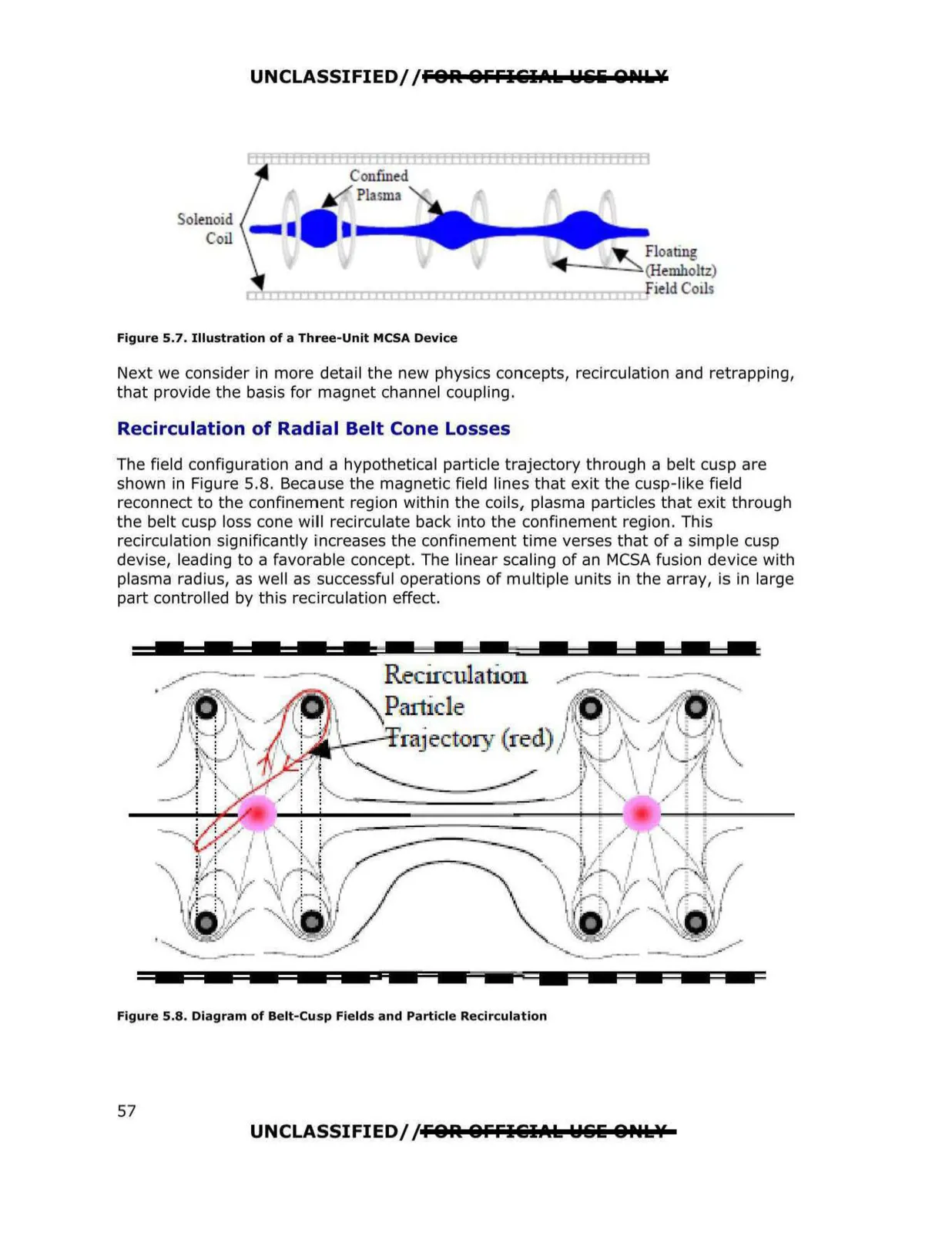
Figure 5.7. Illustration of a Three-Unit MCSA Device
Next we consider in more detail the new physics concepts, recirculation and retrapping,
that provide the basis for magnet channel coupling.
Recirculation of Radial Belt Cone Losses
The field configuration and a hypothetical particle trajectory through a belt cusp are
shown in Figure 5.8. Because the magnetic field lines that exit the cusp-like field
reconnect to the confinement region within the coils, plasma particles that exit through
the belt cusp loss cone will recirculate back into the confinement region. This
recirculation significantly increases the confinement time verses that of a simple cusp
devise, leading to a favorable concept. The linear scaling of an MCSA fusion device with
plasma radius, as well as successful operations of multiple units in the array, is in large
part controlled by this recirculation effect.
..._ l
I
II
\, /: : I~- .._Ir .
I
~
\
/..r'"
. •
,·
_,,,.-""
Recirculation
.icle
Figure 5.8. Diagram of Belt-Cu,sp Fields and Particle Recirculation
UNCLASSIFIED/ /FOR OFFiiiIAk W&lii OPtkY
57