AAWSAP DIRD, Biosensors and BioMEMS: A Survey of the Present Field, March 2010
DOW-UAP-D136 · page 21 of 45
Text
This text came with the file. It may have mistakes. When the text and the image disagree, the image is right.
UNCLASSIFIED//P'OR: OP'Pl@IAL WS& 0NI.¥
An enzyme-gel is applied in a thin layer over a electrically biased metal electrode. An
electrical current flows through the electrode when the hydrogen peroxide produced by
the glucose reaction is decomposed and causes an electrical current to flow. If there is
a fixed concentration of glucose present, a corresponding amount of peroxide will be
produced, and this can be measured by the electrical current flow. The amount of
peroxide measured is an indicator of the glucose concentration. The actual amount of
analyte consumed by a small BioMEMS sensor is exceedingly small and has no
significant effect on the local concentration.
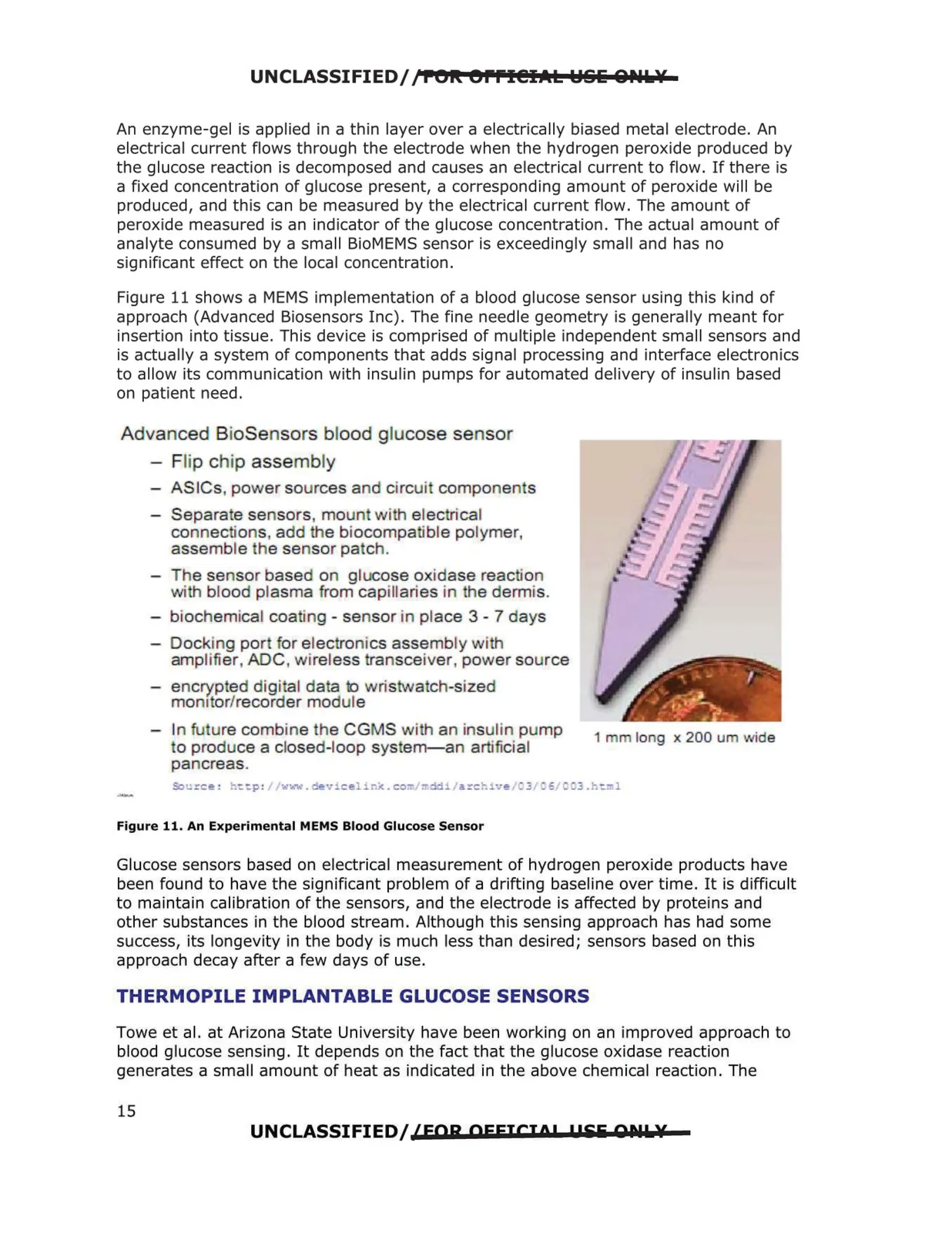
Figure 11 shows a MEMS implementation of a blood glucose sensor using this kind of
approach (Advanced Biosensors Inc). The fine needle geometry is generally meant for
insertion into tissue. This device is comprised of multiple independent small sensors and
is actually a system of components that adds signal processing and interface electronics
to allow its communication with insulin pumps for automated delivery of insulin based
on patient need.
Advanced BioSensors blood glucose sensor
-
Flip chip assembly
ASICs, power sources and circui componen s
Separa e sensors, moun wi h electrical
connec ions, add he biocompa ible polymer,
assemble he sensor pa ch.
The sensor based on glucose oxidase reaction
wi h blood plasma from capillaries in he dermis.
-
biochemical coa ing - sensor in place 3 - 7 days
-
Docking par for elec ronics assembly wi h
amplifi er, ADC, wireless transceiver, power source
-
encryp ed digi al da a to wristwa ch-sized
morn or/recorder module
In fu ure combine the CG S wi h an insulin pump
long x 200 u
Ide
o produce a closed-loop sys em-an artificial
pancreas.
. • - ' •
•· -~-s
.
.
-
•
-
-
-
2-
Figure 11. An Experimental MEMS Blood Glucose Sensor
Glucose sensors based on electrical measurement of hydrogen peroxide products have
been found to have the significant problem of a drifting baseline over time. It is difficult
to maintain calibration of the sensors, and the electrode is affected by proteins and
other substances in the blood stream. Although this sensing approach has had some
success, its longevity in the body is much less than desired; sensors based on this
approach decay alter a few days of use.
THERMOPILE IMPLANTABLE GLUCOSE SENSORS
Towe et al. at Arizona State University have been working on an improved approach to
blood glucose sensing. It depends on the fact that the glucose oxidase reaction
generates a small amount of heat as indicated in the above chemical reaction. The
UNCLASSIFIED/ (EAR OFFICIO! !Pfli 0111.¥
15